

Scientists Are Investigating Why More Young People Are Getting Cancer And They’re Looking Beyond Just Genetics
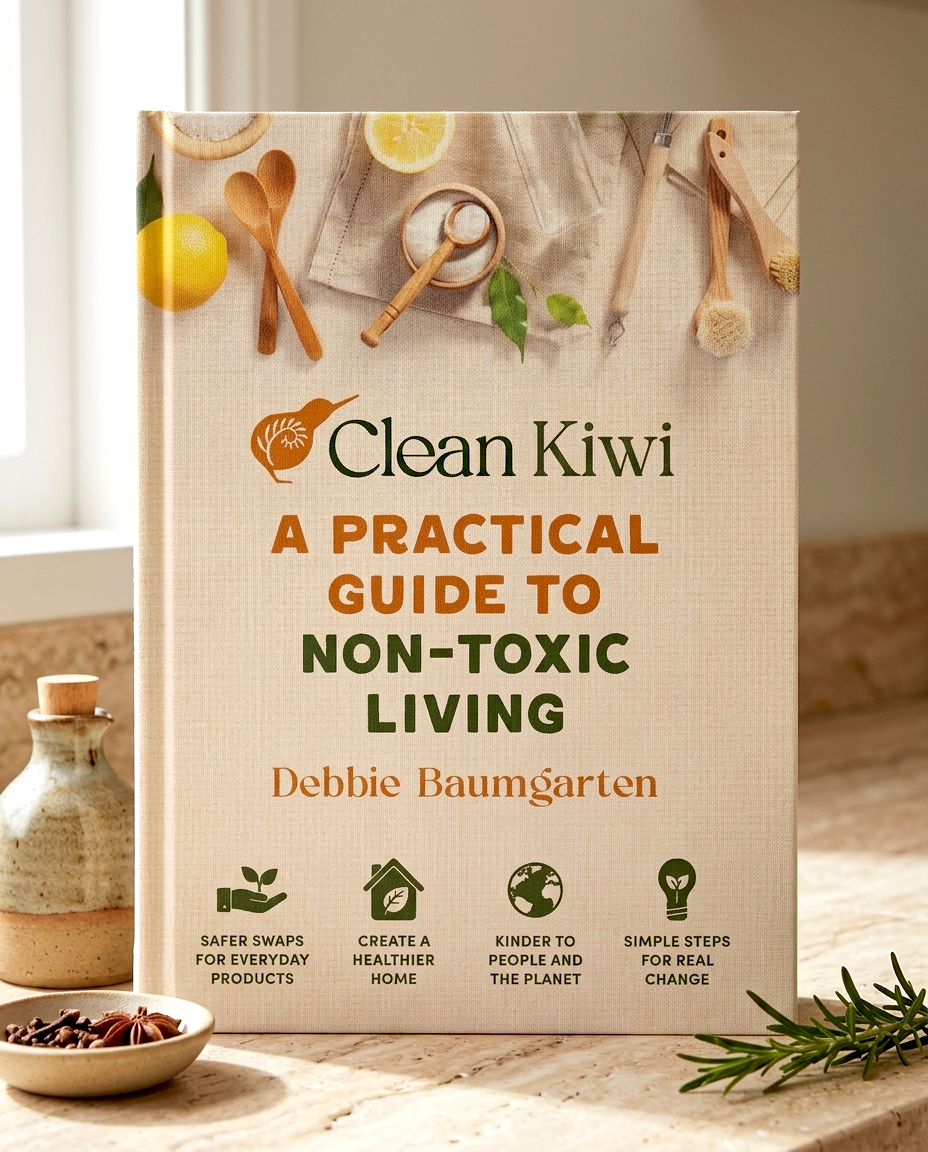
The New Book, available for Pre-Order

young woman being treated for cancer

The Clean Kiwi Movement
Cancer has long been associated with ageing. But that picture is changing. What Exposures Could Be Leading To This?
Nobody can avoid every chemical or environmental exposure. But you can decide what to bring into our homes, what to put on our bodies, what to eat and drink, and what to use to clean. That's doable.”
PAKIRI, AUCKLAND, NEW ZEALAND, October 7, 2026 /EINPresswire.com/ -- A growing body of research is showing increases in several cancers among younger adults, prompting scientists to look beyond genetics and investigate the potential role of modern environmental and lifestyle exposures. Scientists Are Now Looking More Closely At Modern Environmental Exposures.— Debbie Baumgarten
Analysis of U.S. federal data reported by The Washington Post found that cancer diagnoses among people aged 15 to 49 increased by approximately 10 percent between 2000 and recent years, while rates among people aged 50 and older declined.
New Zealand is seeing similar concerns, with population-based research showing increases in several types of early-onset cancer among people under 50.
Scientists are investigating a wide range of possible influences, including diet, synthetic chemicals, microplastics, disrupted sleep and the cumulative environmental exposures people experience throughout their lives.
“Modern life involves a very different chemical environment from the one experienced by previous generations,” says New Zealand author Debbie Baumgarten. “Diet, drinking water, household and personal-care products, synthetic materials and countless other everyday exposures have changed dramatically. The potential impact of this cumulative exposure over decades is an important question worth examining.”
Research is beginning to explore that question.
One study involving approximately 150,000 people found that millennials appeared to be experiencing faster biological ageing based on biomarkers of organ health, with accelerated biological ageing associated with increased risks for certain cancers. Researchers emphasise that such findings show associations rather than proving that specific environmental exposures cause cancer.
WHAT'S ON OUR PLATES — AND IN OUR HOMES?
The modern food supply is also under scrutiny.
A major study published in The BMJ found that a 10 percent increase in ultra-processed food consumption was associated with a 12 percent increase in overall cancer risk and an 11 percent increase in breast cancer risk within the study population. Researchers noted that further investigation is needed to determine which aspects of ultra-processed foods may be responsible.
Microplastics are another emerging concern. A 2024 systematic review by researchers from the University of Sydney and the University of California, San Francisco examined evidence surrounding microplastic exposure and human digestive, reproductive and respiratory health, highlighting growing concerns while also stressing the need for more high-quality human research.
For Baumgarten, the growing research raises an important question: What can ordinary people actually do about it?
FROM FEAR TO ACTION
That question is at the heart of her new book, Clean Kiwi: A Practical Guide to Non-Toxic Living, which will be released in New Zealand in December 2026 and is currently available for pre-order.
Rather than suggesting people can eliminate every toxin from their lives, Clean Kiwi focuses on reducing unnecessary exposure through simple, practical changes involving food, water, cleaning products, personal care, dental care, clothing, plastics, indoor air, mould, pesticides and other household products.
"This isn't about being afraid of everything," says Baumgarten. "It's about becoming more aware and making better choices where we can." The book encourages Kiwis to start small — replacing one product, changing one habit or making one healthier choice at a time.
A PRACTICAL KIWI RESPONSE TO A MODERN PROBLEM
Created specifically for New Zealand households, Clean Kiwi aims to take the confusion and overwhelm out of lower-tox living.
Its message is straightforward: we may not be able to control every exposure, but we can reduce many of the unnecessary ones.
As researchers continue investigating why some cancers and other chronic diseases are appearing earlier in life, Baumgarten believes consumers deserve practical information they can use today.
"You don't have to change everything overnight," she says. "You can start with one product, one room, one meal or one habit — and build from there."
ABOUT CLEAN KIWI
Website: https://cleankiwi.co.nz/
The New Book: Clean Kiwi: A Practical Guide to Non-Toxic Living
Author: Debbie Baumgarten
New Zealand book release: 7 December 2026
Available for pre-order NOW: cleankiwi.co.nz/get-the-book/
Media Contact: Debbie Baumgarten
contact@cleankiwi.co.nz
Debbie Baumgarten
Clean Kiwi
contact@cleankiwi.co.nz
Visit us on social media:
Instagram
Facebook
Legal Disclaimer:
EIN Presswire provides this news content "as is" without warranty of any kind. We do not accept any responsibility or liability for the accuracy, content, images, videos, licenses, completeness, legality, or reliability of the information contained in this article. If you have any complaints or copyright issues related to this article, kindly contact the author above.
