

Loke G and Brickaveli Voice the Unheard: Radio and Community Could Be Houston’s Greatest Lifelines During Disaster

Knights of the Brown Table
KBT Horse
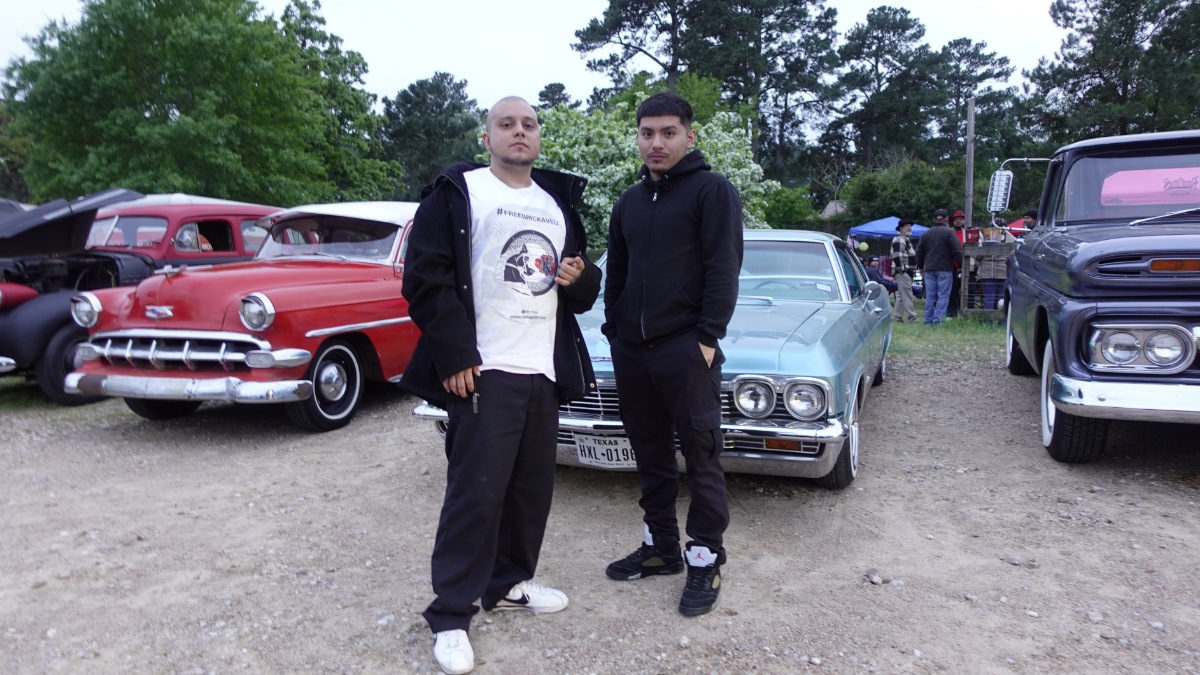
Loke G in the Barrio
Storm readiness starts before the forecast turns deadly: keep a radio, know 211 and 311, and build a village that protects the vulnerable.
You gotta find a way to survive cause they win when your soul dies.”
HOUSTON, TX, UNITED STATES, July 22, 2026 /EINPresswire.com/ -- When electricity fails, cellphone towers become overloaded and floodwater cuts off neighborhoods, survival may depend on a working radio and a trusted neighbor.— Tupac Amaru Shakur
That was one of the strongest lessons Loke G and Brickaveli carried away from the July 22 Houston Community Media briefing, “Hope for the Best, Plan for the Worst — Disaster Preparedness,” held at Southern News Group on Bellaire Boulevard.
Representatives from Harris County and the Greater Houston Disaster Alliance discussed hurricanes, flooding, extreme heat, power outages and other emergencies.
Loke G, General Manager at AKM Publishing LLC, and Brickaveli attended as advocates for people often missing from official discussions. They asked what the streets, vulnerable families and people behind prison walls should expect when disaster strikes. Their purpose was to bring useful information out of the meeting room and back to the people.
The clearest message was that every household should have a working AM/FM radio.
During a major emergency, electricity may remain out for days. Internet service can disappear, and cellphone towers may become overloaded or damaged. Radio can continue delivering weather warnings, evacuation orders, shelter locations, road closures, cooling-center announcements and official instructions.
Families should keep a battery-powered radio with spare batteries or a hand-crank emergency radio. Most vehicles also have AM/FM radios.
Still, a car should not be the only plan. Floodwater, fuel shortages or blocked roads may make it impossible to use.
A portable radio should be treated as seriously as water, medicine, flashlights and first-aid supplies. During a disaster, information becomes an emergency resource.
Know the Numbers
Call 911 for an immediate threat to life, serious injury, fire or active danger.
Call 311 for non-emergency local government information, public services and city or county concerns.
Call 211 for referrals involving food, shelter, transportation, utility assistance, disaster recovery and government or nonprofit programs.
Write these numbers on paper and keep them at home, in vehicles and with emergency supplies. Do not assume you will always be able to search online after a disaster begins.
Residents should review insurance policies, photograph property and protect important records from water damage.
Insurance may repair a home or replace a vehicle, but it cannot check on an elderly neighbor, carry a sick person from a flooded house or deliver water to someone without transportation.
Community may be the most important form of preparation.
Families and neighbors should know who is elderly, disabled, medically vulnerable or living alone. They should identify anyone who depends on refrigerated medicine, oxygen equipment, dialysis or electrically powered medical devices.
Every neighborhood should know who has transportation, a generator, first-aid knowledge, tools or the ability to translate emergency information.
A strong community builds trust and a plan before disaster arrives.
Loke G asked about weather-manipulation and weather-modification technology. The question was met with laughter and quickly dismissed.
It was not an accusation that every storm is artificially created. It was a request for a serious explanation of documented practices such as cloud seeding and historical weather-modification research.
Public questions deserve factual answers. Officials do not have to agree with every concern, but ridicule can deepen distrust among communities that already feel ignored.
The better response is education: explain what technology exists, what it can and cannot do, and whether it connects to local disaster planning.
Loke G also asked what incarcerated people should expect during hurricanes, floods, extreme heat and long-term power failures.
People in jails and prisons cannot evacuate on their own, drive to a cooling center or call 211 for shelter. They may also be unable to contact family members or explain where they were moved during an emergency transfer.
The briefing did not provide a clear public-facing answer about family notification, protection for medically vulnerable prisoners or independent monitoring during disasters.
Who confirms prisoners have water during an outage? Who monitors dangerous heat? Who ensures medications follow people during evacuations? Who informs families when someone is relocated?
Correctional institutions may have internal procedures, but the public still needs transparency, communication and independent accountability.
Any nonprofit, church, legal organization, prisoner-advocacy network or disaster-relief group assisting incarcerated people or their families during emergencies should make that information public.
The community needs to know who helps families locate loved ones, monitors prison conditions during severe weather and assists people released into disaster-damaged communities.
Organizations doing this work are encouraged to contact this publication. If no coordinated network exists in Greater Houston, one may need to be built.
Community journalism must do more than repeat official statements. It must ask who has been left out.
Loke G and Brickaveli attended for families living paycheck to paycheck, elderly residents who may not receive digital alerts, the sick and disabled, people on the streets and those behind prison walls.
The message is simple: Write down 211, 311 and 911. Keep a battery-powered or hand-crank radio. Review insurance policies. Protect documents. Store water, medication, flashlights and batteries. Know the people around you. Build trust before disaster.
Government resources, nonprofit assistance, insurance and radio communication all matter.
But when the lights go out, phones stop working and official help has not reached the neighborhood, the strongest resource may be the people standing beside you.
Hope for the best. Plan for the worst. Make sure nobody in the village is forgotten.
Daniel Olavarrieta
KBT
+1 210-712-9044
email us here
Visit us on social media:
Instagram
Facebook
YouTube
Legal Disclaimer:
EIN Presswire provides this news content "as is" without warranty of any kind. We do not accept any responsibility or liability for the accuracy, content, images, videos, licenses, completeness, legality, or reliability of the information contained in this article. If you have any complaints or copyright issues related to this article, kindly contact the author above.
